
Learn · Men's Health
Peptide therapy and the FDA: what's actually legal in 2026
Peptide therapy is having a loud moment, and most of the noise is wrong. Here's the honest, source-based version — what the record actually says about BPC-157, TB-500, sermorelin, and the July 2026 FDA review. The truth is a better guide than the hype.
See the TRT OptionsGeneral information, not medical advice · A medical provider licensed in your state makes every medical decision
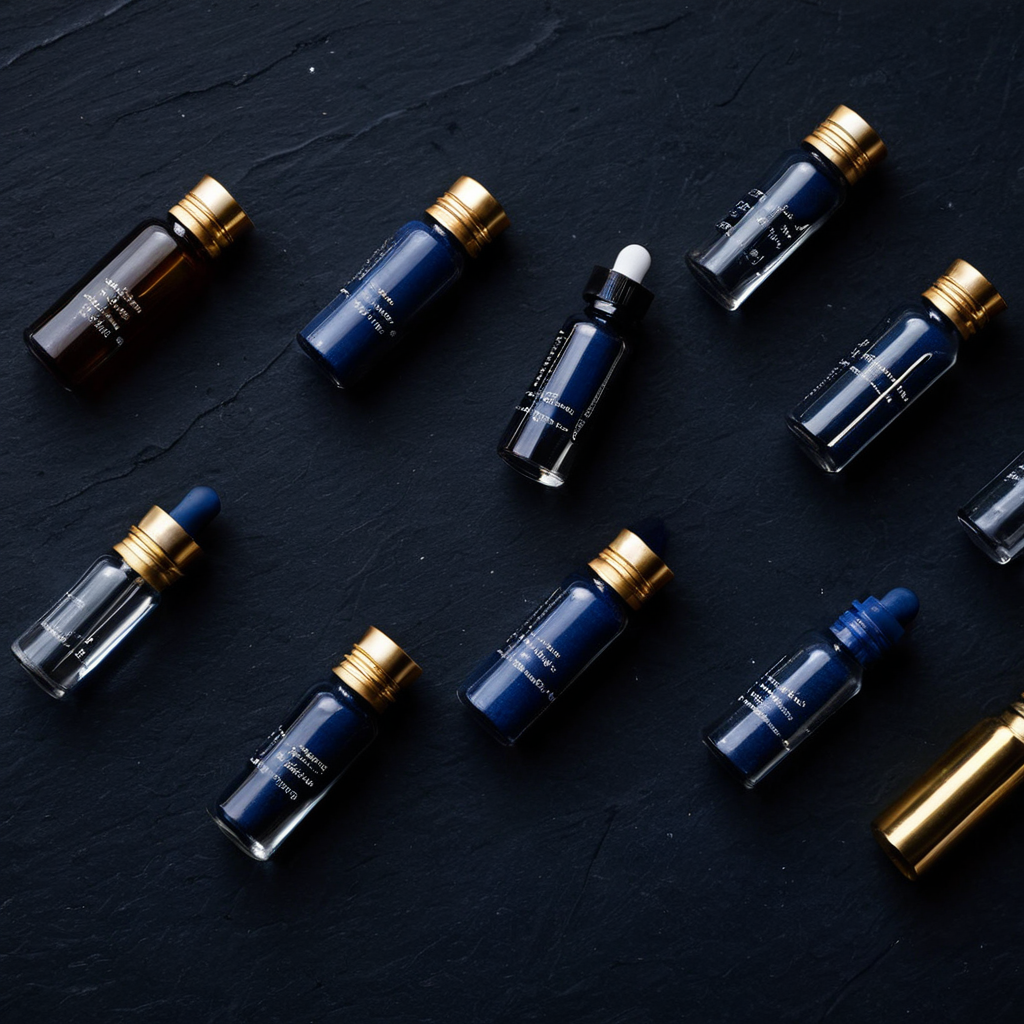
The peptides you can actually get — through a licensed medical provider
Some peptide-class treatments are available today the right way: prescribed by a licensed medical provider after an individual review. Through GHC’s longevity & energy program, a medical provider can determine whether sermorelin, NAD+, or B12/MIC is appropriate for you — compounded preparations from state-licensed pharmacies (compounded medications are not FDA-approved), prescribed only after review, never sold off a menu.
That’s the line that matters in this whole category: not whether a molecule sounds cutting-edge, but whether a licensed medical provider stands behind prescribing it to you specifically.
The headline facts, up front
No hype, no hedging — this is what the record says as of July 2026.
What's true today
No popular research peptide is FDA-approved. BPC-157, TB-500, CJC-1295, ipamorelin, MOTS-C and the rest have never been approved as drugs.
The widely covered July 23–24, 2026 PCAC meeting is a review, not a clearance — a reconsideration of certain peptides for compounding, nothing more.
Anything longer than 40 amino acids is legally a biologic — and biologics can't be compounded under the 503A pathway at all.
Sermorelin is the near-exception: once FDA-approved as Geref, now used off-label in compounded form where appropriate.
Our medical provider partner does not prescribe research peptides that haven't cleared the FDA. If any clears the FDA's review to become legitimate, this is the page that will say so.
← All guides
Reviewed against primary sources. Every clinical claim below is checked against FDA labeling, clinical-society guidelines, or peer-reviewed literature — 7 sources cited, last reviewed 2026-07-15.
Peptide therapy is having a loud moment, and most of the noise is wrong. Vendors are shouting that "peptides are legal now" in 2026 — that is not what the record says. Here is the honest, source-based version: BPC-157 and MOTS-C have no FDA-approved labeling[1], the peptides everyone is arguing about sit in a gray area the FDA has not resolved, and the widely covered July meeting is a review, not a clearance. We don't sell these peptides today — and if any of them clears the FDA's review to become a legitimate option, this is the page that will say so. We're writing this because the truth is a better guide than the hype.
Are peptides FDA-approved?
Almost none of the popular ones are. BPC-157, CJC-1295 and ipamorelin have no FDA-approved labeling[2] — the openFDA drug label index returns no approved labeling for them under generic name, brand name or substance name. MOTS-C, Semax and Epitalon have no FDA-approved labeling[3] either. TB-500 is sold as a fragment of thymosin beta-4. A search of the FDA label index for thymosin returns no approved labeling. "Peptide therapy" is a marketing umbrella, not an approval status.
Sermorelin is the partial exception, and the reason is worth understanding. Sermorelin was marketed in the United States under the brand name Geref, and in 2008 its manufacturer discontinued production for commercial reasons rather than for safety. Sermorelin has no current FDA-approved labeling[7]. Individual results vary.
Is BPC-157 legal in 2026?
Two facts, stated precisely. BPC-157 has no FDA-approved labeling, and BPC-157 does not appear on the 503A bulks list at 21 CFR 216.23(a)[8] — a list that currently names just six bulk drug substances, none of them peptides.
Now read the next part carefully, because this is where both the vendors and the scare stories overreach. Absence from 216.23(a) does not by itself mean a substance cannot be compounded. Section 503A permits a bulk drug substance to be used in compounding if any one of three independent conditions is met: it is the subject of a USP or NF monograph, it is a component of an FDA-approved drug, or it appears on the 216.23(a) list. Testosterone, for example, is absent from 216.23(a) and can still be compounded, because it is a component of FDA-approved drugs[11].
Anyone collapsing those two facts into "cleared to buy" — or into a flat legal verdict — is selling you something. Products sold online as "research chemicals" or "not for human use" are exactly what those labels say.
What is the FDA actually doing about peptides in 2026?
On April 15, 2026, the FDA gave notice that it would remove 12 peptide bulk drug substances from Category 2 of its 503A bulk drug substances list, effective roughly a week later. The nominations behind those substances had been withdrawn by the nominators, and that withdrawal is what triggered the removal.
The FDA simultaneously published a Federal Register notice announcing that it will convene the Pharmacy Compounding Advisory Committee (PCAC) at public meetings on July 23–24, 2026, and again before the end of February 2027, to discuss whether these peptides should be added to the 503A bulks list — the step that would formally authorize their use in compounding.
Here is the part the marketing emails skip. Removal from Category 2 does not, by itself, place these substances on the 503A bulks list or into Category 1. They sit in a gray area until the PCAC meets and the FDA takes final action. A meeting on the calendar is not an approval on the books: it is a review, and a review is not a clearance. Two details sharpen the point. First, when peptides were withdrawn from Category 2 and brought before the PCAC before, the committee recommended against adding them to the bulks list in each case. Second, the PCAC's recommendations are advisory only — the FDA retains authority to accept, modify or reject them.
The push does have political wind behind it. HHS Secretary Robert F. Kennedy Jr. signaled on The Joe Rogan Experience on February 27, 2026 that the administration expected to make roughly 14 peptides more accessible through lawful channels. That is a real signal about direction. It is not a change in what is legal today.
One structural rule cuts through much of the remaining confusion: a peptide longer than 40 amino acids is treated as a biologic rather than a drug, and biologics fall outside the 503A regulatory pathway entirely. That single line disqualifies a large share of what gets marketed as "peptide therapy."
Can a medical provider prescribe peptides?
Sometimes — and only where it is clinically appropriate and legally permitted. Sermorelin is the clearest example: it may be prescribed off-label and prepared by a state-licensed compounding pharmacy where a medical provider judges that appropriate. For the peptides still outside that pathway, a responsible medical provider will not prescribe them regardless of what a website promises. Prescriptions are issued at the sole discretion of a licensed provider, and only where clinically appropriate.
For men chasing energy, drive and body-composition goals, the honest move is to start with a diagnosis, not a peptide. Low testosterone is a diagnosable condition, confirmed with symptoms and morning bloodwork[20], and it has established treatments — see testosterone replacement therapy and how our care works. If fertility preservation matters, enclomiphene is another provider-directed option. These are real, established therapies — not gray-market chemistry.
Are compounded peptides safe?
"Compounded" is not a synonym for "proven safe." Compounded medications are not FDA-approved. They are prepared in FDA-regulated facilities.
Category 2 was never a paperwork bucket. It is the category the FDA reserves for substances it has determined raise significant safety risks[22], and that designation had been the basis for FDA enforcement action against compounders distributing these peptides[23]. Those peptides did not leave Category 2 because the safety questions were answered. They left because the nominations were withdrawn — a procedural event, not a safety finding.
The gray market is a separate problem, and the bluntest warning on record comes from the official pushing hardest for access. Secretary Kennedy described the gray-market peptide trade as "very, very substandard" and warned that consumers buying there "have no idea" whether they are getting a legitimate product[24]. Lawful compounding, by contrast, requires pharmaceutical-grade active ingredient from an FDA-registered manufacturer, accompanied by a valid certificate of analysis. A vial from a website carries no such assurance.
Peptide therapy for men: separating the search from the science
Search demand for "peptide therapy for men" and "fda peptides 2026" is real, and it is driven by legitimate frustration — fatigue, slow recovery, stalled progress in the gym. That frustration deserves a real answer, not a vial of something the FDA won't stand behind. When a company tells you a peptide is "legal now," ask them to show you the approval. In 2026, they can't.
What you can do is get properly worked up by a licensed medical provider, confirm what's actually going on with bloodwork, and pursue treatments that have a real regulatory footing. That's the whole idea behind how we're set up: intake, labs, provider review, and a prescription only if it's clinically appropriate. No hype, no "research chemicals," no promises.
FAQ
Is BPC-157 FDA-approved?
No. BPC-157 has no FDA-approved labeling, and it does not appear on the 503A bulks list at 21 CFR 216.23(a). Those are the two facts that matter; everything past them is marketing.
Are CJC-1295 and ipamorelin legal to prescribe?
CJC-1295 and ipamorelin have no FDA-approved labeling, and neither appears on the 503A bulks list at 21 CFR 216.23(a). A responsible medical provider will not prescribe them on the strength of online marketing claims.
Does the July 2026 FDA review mean peptides are being approved?
No. The July 23–24, 2026 PCAC meeting is a review of whether certain peptides should be added to the 503A bulks list — not an approval or a clearance. The committee's recommendation is advisory, and the FDA can accept, modify or reject it.
Why is sermorelin treated differently?
Sermorelin was marketed in the United States as Geref until its manufacturer discontinued production in 2008 for commercial reasons. It may still be prescribed off-label and prepared by a state-licensed compounding pharmacy where clinically appropriate. It is the notable exception, not the rule. Individual results vary.
What does the "40 amino acids" rule mean?
A peptide longer than 40 amino acids is treated as a biologic rather than a drug, and biologics fall outside the 503A regulatory pathway entirely. That rule alone disqualifies many products marketed as peptide therapy.
Do you sell or prescribe peptides?
Not the unapproved ones. We don't sell peptides that haven't cleared the FDA — and if that changes, you'll find it here first. For men looking for legitimate help with low testosterone, a licensed medical provider can evaluate established options through our intake platform.
Sources & Evidence
- 1openFDA drug label index
“no approved labeling found for "BPC-157"”
- 2openFDA drug label index
“no approved labeling found for "CJC-1295"”
- 3openFDA drug label index
“no approved labeling found for "Semax"”
- 4openFDA drug label index
“no approved labeling found for "Sermorelin"”
- 5Testopel (TESTOSTERONE)
“FDA label, INDICATIONS AND USAGE”
- 6Endocrine Society Clinical Practice Guideline
“Testosterone Therapy in Men With Hypogonadism (Bhasin et al., 2018, PubMed) — Testosterone Therapy in Men With Hypogonadism: An Endocrine Society Clinical Practice Guideline - PubMed Clipboard, Search History, and several other advanced f”
- 7Orrick
“FDA Announces Removal of 12 Peptides from Category 2 and Schedules PCAC Meetings (Apr 2026) — FDA Announces Removal of 12 Peptides from Category 2 and Schedules PCAC Meetings to Consider Adding Peptides to 503A Bulk Drug Substances List Toggle navigation People Practices Insights”
Editorial standards. Gentlemen's Health Collective content is written to be medically honest and independently sourced. A claim is only published once a primary source has been fetched and confirmed to support it; claims that cannot be independently verified are removed or routed for clinical sign-off. We describe process, not individuals.
The FDA timeline — what actually happened
Sept 2023 — 503A Category 2
BPC-157 (and others) placed on the FDA's 503A Category 2 compounding list — flagged for concerns, not cleared for use.
2024 — PCAC votes against CJC-1295 & ipamorelin
The Pharmacy Compounding Advisory Committee voted against two growth-hormone-secretagogue peptides — CJC-1295 and ipamorelin.
April 2026 — BPC-157 & TB-500 removed
The FDA removed BPC-157 and TB-500 from the 503A Category 2 compounding list.
July 23–24, 2026 — PCAC review
PCAC reviews a slate including MOTS-C, KPV, DSIP, Semax and Epitalon. The FDA's briefing materials recommend against adding BPC-157 and TB-500 back. A review on the calendar is not an approval on the books.
Chasing energy, recovery, or drive? Start with a diagnosis.
Skip the gray-market vial. If low testosterone is the real issue, an evidence-based path exists — real labs and a medical provider licensed in your state reading them. See the TRT options, then start the assessment. It's free.
See the TRT Options Start Your AssessmentGentlemen’s Health Collective is a men’s telehealth marketing platform and does not provide medical services. Medical care is provided by our medical provider partner, an independent network of US-licensed medical providers; all medical decisions are made by a medical provider licensed in your state. Compounded preparations are not FDA-approved for these specific formulations; they are dispensed by state-licensed compounding pharmacies operating under USP <795> and/or USP <797> standards and are distinct from FDA-approved, brand-name products. The peptides discussed on this page are not FDA-approved for these uses, and most are not lawfully compoundable in 2026. Individual results vary. This page is general information, not medical advice. Prescription medications require medical evaluation and are prescribed only when appropriate. 100% self-pay. If you are experiencing a medical emergency, call 911.